

📋 Key Takeaways
- KN95 and FFP2 are broadly similar in filtration targets, but they are tested and certified under different standards (GB 2626 vs EN 149).
- A genuine, well-made KN95 can perform similarly to an FFP2, but it is not automatically “equivalent” for UK and EU PPE compliance.
- In UK workplaces, if you need an FFP2 for compliance, you should usually buy an EN 149 FFP2 respirator with correct markings and documentation.
- Fit matters as much as filtration, and many KN95s use ear loops, which often provide a less reliable seal than headbands.
What does “equivalent” actually mean?
People use “equivalent” in two different ways:
Performance equivalent (real-world protection potential)
Does it filter particles at around the same level, and can it form a good seal?Standards equivalent (legal and certification equivalent)
Is it certified and marked to the same standard required in the UK/EU for PPE use?
A KN95 can sometimes be close to an FFP2 in performance, but KN95 is not the same certification as FFP2, so it is not automatically equivalent in the standards and legal sense.
The standards: KN95 vs FFP2 in plain English
FFP2 (Europe and UK)
FFP2 respirators are certified to EN 149 (Filtering Half Masks). EN 149 includes tests for:
- Filter penetration (using specific test aerosols)
- Total inward leakage (a key point, it considers fit on people, not just filter material)
- Breathing resistance
- Practical performance checks
FFP2 is widely accepted across the UK for occupational use where an FFP2 level respirator is required (subject to your risk assessment).
KN95 (China)
KN95 respirators are certified to GB 2626. They are tested for:
- Filter efficiency (commonly stated as 95 percent at a specified test condition)
- Breathing resistance
- Some leakage related requirements, depending on the class and test method
GB 2626 is a real standard, but it is not the same as EN 149, and the testing regime is not identical.
Mask Comparison
| Feature | KN95 (GB 2626) | FFP2 (EN 149) |
|---|---|---|
| Typical minimum filtration claim | 95% | 94% |
| Standard region | China | UK/EU |
| Focus on “fit on face” testing | Varies by test approach and model | Strong emphasis, includes total inward leakage testing |
| Common strap style | Often ear loops | Often headbands |
| “Equivalent” for UK/EU PPE compliance | Not automatically | Yes, when correctly certified and marked |
So, are KN95 masks equivalent to FFP2?
The honest answer
Sometimes they can be similar in performance, but they are not automatically equivalent.
Here is the most useful way to think about it:
- If you mean filtration potential, a good KN95 filter media can be in the same ballpark as FFP2.
- If you mean certified PPE for UK and EU requirements, FFP2 is the correct standard, and KN95 is not a direct substitute unless it also meets the relevant UK/EU conformity requirements.
Why fit and leakage can be the deciding factor
Even with high filtration material, protection can drop sharply if air leaks around the edges.
Many KN95 masks are ear-loop designs because they are convenient. For some faces they seal well, but for many users they do not. Headband FFP2 masks often achieve a more consistent seal, which is why they are commonly used in workplaces and higher-risk environments.
What to check if you are considering KN95 in the UK
Benefits (of choosing the right certified FFP2 when you need it)
- Clear EN 149 certification route
- Easier to verify markings and documentation
- Usually better seal consistency with headbands
- More straightforward for workplace PPE compliance
A quick “buyer’s checklist” for any respirator (KN95 or FFP2)
Look for:
- The correct standard printed on the mask (for FFP2 this is usually EN 149:2001+A1:2009 and FFP2)
- Manufacturer name, model number, and traceability
- Supplier documentation, such as declaration of conformity where applicable
- A design that seals well on your face (nose fit, minimal gaps, stable straps)
If you need respiratory protection for workplace hazards, you should follow your employer’s risk assessment and UK PPE requirements. Do not assume a “KN95” label equals FFP2 compliance. Also be cautious of counterfeit or unverified imports, especially on marketplaces where documentation and traceability can be weak.
When should you choose FFP2 instead of KN95?
Choose a certified FFP2 (EN 149) respirator when:
- Your workplace policy specifies FFP2
- You need PPE that is easier to evidence for compliance
- You want stronger assurance around fit and inward leakage performance
- You are working around dusts, aerosols, or other particles where consistent protection matters
Recommended options from The Face Mask Store UK
Below are a few relevant products if you want to stick with recognised FFP2 options, or if you are comparing KN95 style masks.

3M Aura 9320D+ Unvalved FFP2 Disposable Respirator
A trusted EN 149 FFP2 respirator with a secure fit design, ideal when you want a clear FFP2-certified choice.

Alpha Solway 3020 FFP2 Face Mask (Box of 20)
A practical bulk option for teams and repeat use, with FFP2 certification for straightforward workplace and site requirements.
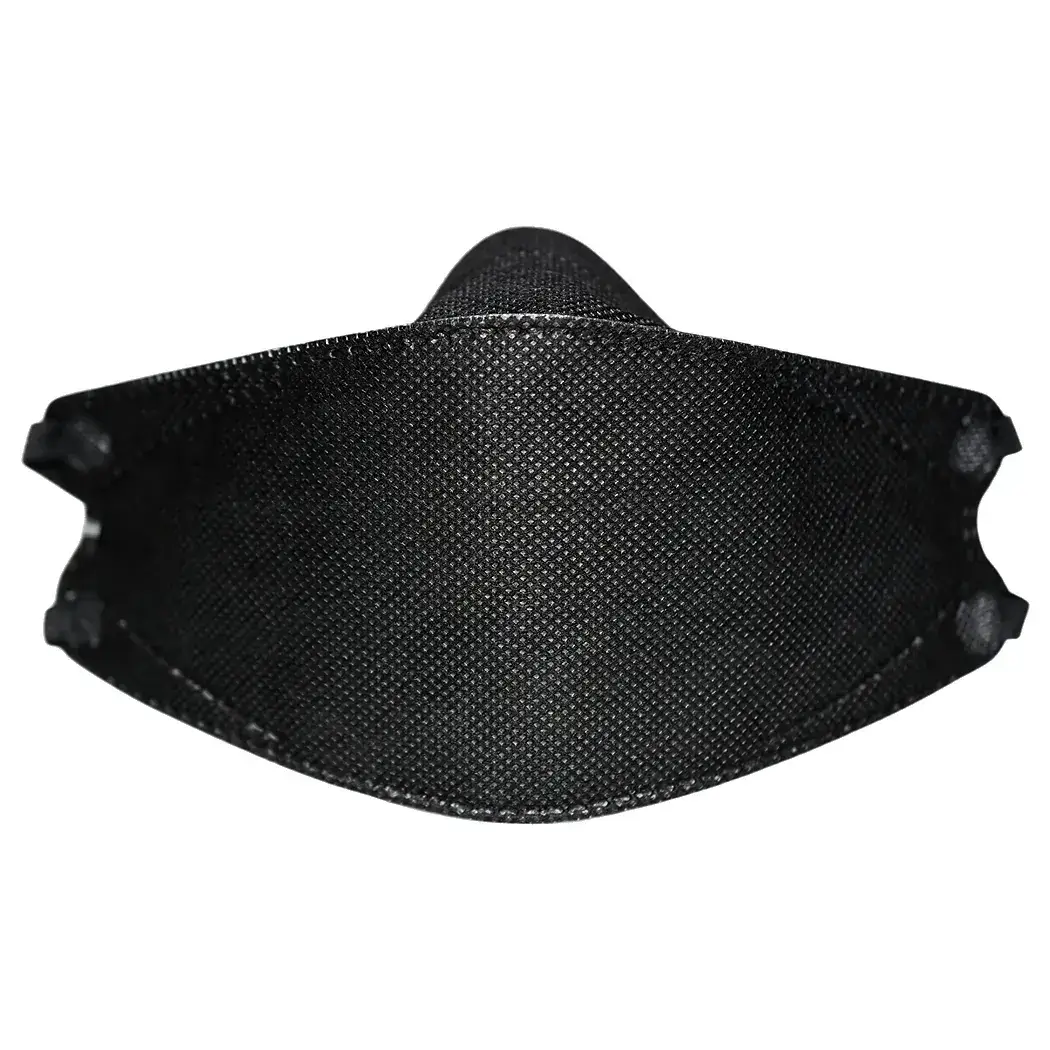
Laianzhi T99+ Black Particulate Respirator Mask (Ear Loop)
If you are specifically comparing KN95-style masks, this is a popular ear-loop respirator format. Fit is highly user-dependent, so consider adjusters and check for gaps.
Bottom line
- KN95 and FFP2 are not the same thing, because they come from different standards and certification systems.
- A high-quality KN95 may perform similarly to an FFP2 in filtration, but FFP2 is the clearer choice when you need UK and EU recognised PPE compliance and predictable fit performance.
- If protection really matters, prioritise a good seal, and choose a respirator that matches your risk level and setting.


