
Black mould (often seen as dark spotting or staining around windows, bathrooms, and damp corners) can release airborne spores and fragments, especially when you disturb it during cleaning or removal. The right mask helps reduce what you breathe in, but “best” depends on how much mould you’re dealing with, whether you’re using strong chemicals, and how well the mask seals to your face.
📋 Key Takeaways
- For most DIY black mould removal, choose an FFP3 respirator (or P3 filtration on a reusable mask), because it offers the highest particulate protection commonly used for dust, spores, and fine debris.
- A mask only works properly if it fits and seals, gaps around the nose or cheeks can make a high rated mask perform poorly.
- If you are using bleach, mould sprays, or other strong products, consider combined protection (particulate + vapour), such as A2P3 on a reusable respirator.
- Large areas of mould, hidden mould, or recurring damp often calls for professional assessment, not just better PPE.
Why mould removal needs the right respiratory protection
When mould is wiped, scrubbed, sanded, or removed with a brush, it can become airborne as:
- Spores (reproductive particles)
- Hyphal fragments (tiny pieces of mould structure)
- Dust and debris from plaster, paint, grout, or plasterboard
A basic DIY dust mask or a surgical mask is not designed to seal properly or filter fine particles to the same standard as a certified respirator.
What mask rating is best for black mould?
In the UK and EU, disposable respirators commonly come as FFP2 or FFP3. For mould, FFP3 is usually the best choice, particularly if you are scrubbing or working overhead where particles can fall toward your face.
Mask Comparison
| Feature | FFP2 | FFP3 |
|---|---|---|
| Typical minimum filtration | 94% | 99% |
| Maximum total inward leakage (standard limit) | 8% | 2% |
| Suitability for mould disturbance | OK for light tasks | Better for most mould removal |
FFP ratings focus on particulates. If your mould clean-up involves chemical sprays or bleach fumes, filtration for vapours is a different requirement, you may need a reusable respirator with combination filters (for example A2P3).
Best mask type by mould removal scenario
1) Small patch, light wipe down (example: small window seal area)
- Recommended: A quality FFP3 disposable respirator
- Why: Strong particulate filtration, simple and cost effective for occasional tasks
Tip: Even on small areas, spores can become airborne when you scrub. If you can smell strong cleaning chemicals through the mask, that is a sign you may need vapour protection too (and better ventilation).
2) Medium area, vigorous scrubbing (bathroom ceiling, multiple corners, stubborn staining)
- Recommended: FFP3 as a minimum, ideally with a comfortable seal and head straps
- Consider: Eye protection (spores and splashes are common when cleaning overhead)
3) Using bleach or strong mould sprays regularly
- Recommended: A reusable full face respirator with combination filters (A2P3)
- Why: P3 handles spores and fine particles, A2 helps with many organic vapours from solvents and some cleaning chemicals (always check the chemical’s safety data sheet)
4) Large areas, thick growth, or damaged materials (plasterboard, insulation, behind wallpaper)
- Recommended: Stop and consider professional remediation
- Why: Disturbing large contamination can create heavy airborne exposure, and the underlying damp issue needs fixing or it will return
What to look for in a “good” mould mask (beyond the rating)
Benefits (key features that matter)
- A reliable seal around nose and cheeks (more important than many people realise)
- Head straps often provide a more secure fit than ear loops for higher protection tasks
- Comfort for longer wear, a mask that hurts will be adjusted more, which increases leakage risk
- Valve vs unvalved: a valve can feel cooler during heavy scrubbing, unvalved is often preferred in settings where source control is important
If you have facial hair, most tight fitting respirators struggle to seal properly. In professional settings this is addressed via face fit testing and alternative equipment. For home use, be realistic about the seal you can achieve.
Chemical fumes vs mould spores: when you need more than FFP3
FFP3 respirators are designed for particles, not gases and vapours. If your job involves:
- Bleach
- Solvent based cleaners
- Strong mould removers
- Paint stripping or sealing afterwards
…you may benefit from a reusable respirator with A2P3 filters, which covers both particulates (P3) and many organic vapours (A2). Always ensure good ventilation and follow the product label.
Never mix cleaning chemicals (for example bleach with other cleaners), it can create dangerous gases. If you experience breathing difficulty, dizziness, or strong irritation, stop work, leave the area, and ventilate thoroughly.
Recommended masks from The Face Mask Store UK for black mould removal
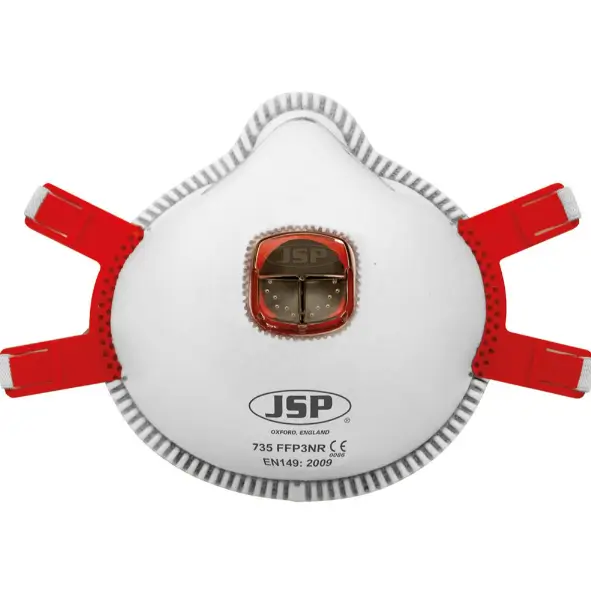
JSP 735 Typhoon Moulded FFP3 Valved Respirator Mask (BEK136-101-A00)
A robust FFP3 option for DIY mould removal, particularly when scrubbing creates airborne debris. The valve can help reduce heat build-up during more physical jobs.

Trident FFP3 Valved Disposable Face Mask
A practical choice for short mould clean-up tasks where you want high particulate protection in a disposable format.

GVS Elipse Full Face Mask A2P3 with Replaceable Filters
Ideal when mould removal involves both airborne particles and strong cleaning products. Full face coverage also helps protect eyes from splashes and aerosolised droplets during scrubbing.
Quick mould removal PPE checklist (beyond the mask)
While the mask is central, better outcomes come from a simple system:
- Gloves suitable for your cleaning product
- Eye protection (especially for ceilings and sprays)
- Old clothing or a disposable coverall for heavy contamination
- Ventilation, open windows, extractor fan where possible
- Gentle methods to reduce dust, avoid dry brushing or sanding unless you have appropriate controls
When not to DIY black mould removal
Consider professional advice if:
- The affected area is large, widespread, or keeps returning
- There is damp damage to plasterboard, insulation, or timber
- Anyone in the home has asthma, allergies, or is immunocompromised
- You suspect hidden mould (musty smell with little visible growth)
PPE reduces exposure during work, but it does not fix the moisture source that caused the mould.


