
📋 Key Takeaways
- Most used disposable masks belong in your general waste bin, not recycling, unless you use a specialist PPE recycling service.
- Remove masks safely, handle by straps, bag them, then wash or sanitise your hands.
- Workplace disposal depends on what you were exposed to (dusts, bioaerosols, chemicals, asbestos), always follow your site risk assessment and relevant regulations.
- Reusable respirators and PAPRs create less waste, but their filters still need correct disposal.
Used masks are a fact of life in healthcare, trades, commuting, and everyday shopping. But “where do they go after?” is a common question, and the answer depends on mask type, where it was used, and what it may be contaminated with.
This guide explains best practice for disposing of used face masks in the UK, for both households and workplaces.
Why correct mask disposal matters
Used masks can be contaminated with:
- Respiratory droplets (colds, flu, COVID-19 and other infections)
- Dusts and particulates (wood dust, plaster, concrete, metal fume particles)
- Hazardous substances (chemicals, solvents, asbestos fibres)
Correct disposal helps:
- reduce cross-contamination risks,
- protect waste handlers and cleaners,
- prevent litter and plastic pollution (many masks contain plastics).
Step-by-step: How to dispose of a used disposable mask safely
1) Remove the mask carefully
- Do not touch the front of the mask.
- Remove using the ear loops or head straps only.
2) Bag it before binning
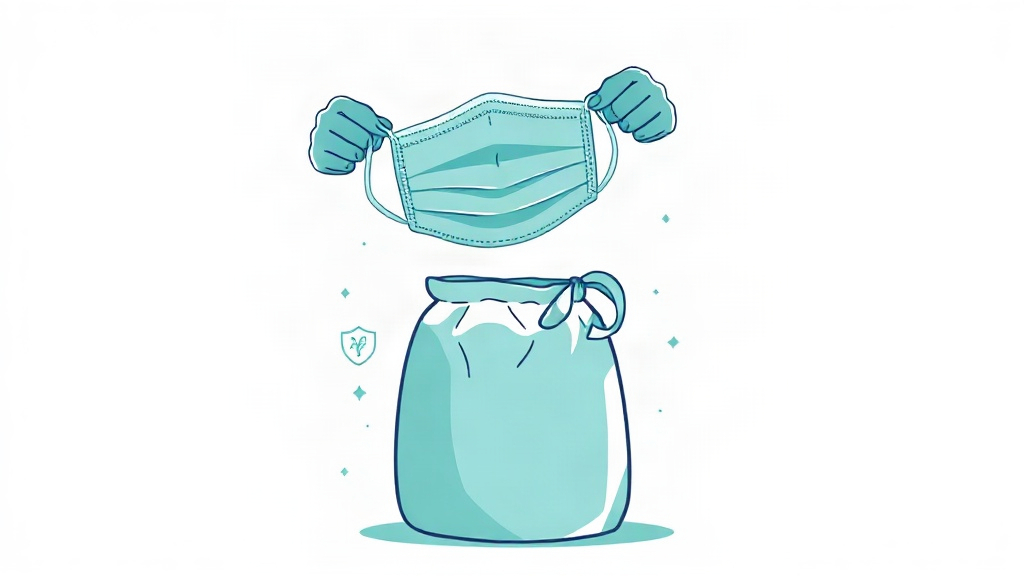
- Place the mask straight into a small bag, tie it, then put it into your main bin.
- If you do not have a small bag, bin it directly and avoid pushing it down with your hands.
3) Wash or sanitise your hands
- Wash hands with soap and water (best), or use hand sanitiser if out and about.
If you need to carry a used mask home (for example after commuting), keep it in a dedicated mask storage bag or case until you can bin it, then clean your hands.
Which bin should face masks go in (UK)?
Household disposal (most common situations)
For typical use in public places (shops, transport, general indoor settings):
- Disposable surgical masks (Type IIR): general waste
- Disposable respirators (FFP2, FFP3): general waste
This is because masks are considered potentially contaminated, and most local authorities advise not placing them in household recycling.
Can you recycle face masks?
Not through normal kerbside recycling. Many masks are mixed-material items (plastic fibres, metal nose strips, elastic), and contamination is also a concern.
If you want to reduce landfill waste, look for a specialist PPE recycling scheme (where masks are collected and processed appropriately).
Disposal by mask type (quick reference)
| Mask type | Examples | Best disposal route (typical) | Notes |
|---|---|---|---|
| Disposable medical masks | Type IIR surgical masks | General waste | Bag first if possible |
| Disposable respirators | FFP2, FFP3 | General waste | Bag first if possible |
| Reusable respirators (mask body) | Half masks, full-face masks | Not disposable (clean and reuse) | Dispose of only when damaged or end-of-life |
| Replaceable filters | P3 particulate, A2P3 combo filters | Depends on exposure | Treat as contaminated with whatever you filtered |
| Powered respirator filters | PAPR filters | Depends on exposure | Follow manufacturer and site procedure |
Workplace guidance: when used masks become “hazardous” or “clinical” waste
In workplaces, correct disposal is driven by your risk assessment and what the mask was used against. For example:
Low-risk dusts (general construction, DIY-type particulates)
If exposure is to non-hazardous nuisance dust, used disposables often go to general waste, ideally bagged.
Healthcare and care settings
If masks are used in clinical areas or around known infectious patients, they may require clinical waste streams as defined by your organisation’s procedures.
If a mask or filter has been used for asbestos, lead, biological hazards, or hazardous chemicals, do not assume it can go into general waste. Follow your site’s hazardous waste procedure, COSHH assessment, and any HSE guidance relevant to the substance. When in doubt, treat it as contaminated and escalate to your safety lead.
How to store used masks temporarily (without contaminating bags, pockets, or cars)
Sometimes you cannot bin a mask immediately, for example travelling between jobs or commuting.
Best practice:
- Store in a dedicated mask storage bag/case
- Keep it separate from phones, keys, and clean PPE
- Once disposed, clean the storage item if it is reusable, and wash hands
Reducing waste: consider a dedicated PPE recycling option
If your priority is sustainability, a specialist recycling programme can be a practical route, particularly for:
- offices,
- schools,
- salons,
- trade counters,
- any business producing regular mask waste.

Face Mask PPE Zero Waste Recycle Program
A convenient option if you want a dedicated route for used masks and PPE waste rather than sending everything to general waste.
Helpful products for safer handling and storage

Flat Fold Face Mask Storage Bag fits 3M Aura/HY9330/Drager/iMask/JSP
Ideal for carrying a mask between locations before disposal, helping keep pockets, tool bags, and vehicles cleaner.

Ansell TouchNTuff 92-600 Premium Disposable Nitrile Gloves Powder-Free – Box of 100 Gloves
A practical choice for cleaning teams, caretakers, or workplaces handling used PPE and waste bags, especially where contamination is possible.
FAQs
Should I cut the ear loops before binning?
It can help reduce wildlife entanglement risk if litter occurs, but the bigger priority is to dispose of masks securely (bagged, in a covered bin) so they do not escape into the environment. If you do cut loops, do it after removal, and avoid touching the front of the mask.
Can I put used masks in public recycling bins?
No, not unless the bin is clearly designated for PPE recycling. Use a general waste bin.
What about reusable respirators with replaceable filters?
You typically do not dispose of the mask body after each use. Clean and maintain it according to the manufacturer instructions. Filters should be replaced when due, then disposed of according to what they were exposed to.


