

Knowing when to replace respirator filters is one of the most common questions we get, and for good reason. Filters do not “run out” on a simple calendar like batteries, their service life depends on what you are exposed to, how long you wear the mask, and how well you maintain it.
This guide explains what drives filter life, the signs a filter needs changing, and how to set a sensible change-out routine for your workplace or DIY project.
📋 Key Takeaways
- Particulate filters (dust, mist, fumes) are usually replaced when breathing resistance increases, or if they become damaged, wet, or heavily contaminated.
- Gas and vapour filters (solvents, paints, chemicals) should be replaced using a planned change-out schedule, because you cannot safely rely on smell for many contaminants.
- Filter life depends heavily on exposure concentration, humidity, work rate, and storage, not just hours worn.
- If you are working under COSHH or in higher-risk tasks, follow the manufacturer instructions and your risk assessment, and consider professional RPE advice.
1) First, identify what type of filter you are using
Reusable respirators generally use one of these filter types:
Particulate (P) filters
Designed for solid and liquid aerosols, such as:
- Wood dust, MDF dust
- Concrete and masonry dust (silica)
- Metal fumes (some applications)
- General site dusts and mists
You will often see markings like P1 / P2 / P3 (or “P3 R”), where P3 is the highest particulate class commonly used in industry.
Gas and vapour filters
Designed for gases and vapours, such as:
- Organic vapours from solvents, paints, thinners (often A1/A2)
- Acid gases (E), ammonia (K), and others depending on filter type
Combination filters (gas/vapour + particulate)
These handle both hazards, for example A2P3 for organic vapours plus high-efficiency particulates.
A filter’s label tells you what it is built to stop. If you choose the wrong filter type, replacing it more often will not make it protective. Always match filters to the hazard identified in your assessment or SDS.
2) The honest answer: there is no single fixed replacement interval
“How often” depends on variables such as:
- Contaminant concentration (high dust levels block filters faster)
- Your breathing rate and workload (harder work loads particulate filters faster)
- Humidity and temperature (can reduce gas filter capacity)
- Whether you use a prefilter (prefilters can extend the life of the main filter in dusty work)
- Storage between uses (gas filters can continue to absorb contaminants from air if left unsealed)
So, instead of a universal time period, use condition-based rules for particulates, and schedule-based rules for gases and vapours.
3) When to replace particulate filters (dust filters)
Particulate filters typically get replaced when they become physically loaded with particles.
Clear signs your particulate filters need changing
Replace particulate filters if you notice any of the following:
- Breathing becomes noticeably harder compared with a fresh filter
- The filter is clogged with visible dust, crushed, torn, cracked, or otherwise damaged
- The filter has become wet, heavily soiled, or contaminated (for example, with paint spray, oils, or unknown substances)
- You have had a high-exposure event, such as a very dusty cut, a dropped filter, or an ingress incident
Benefits of changing particulate filters at the right time
- Lower breathing resistance and better comfort
- Reduced chance of leaks caused by struggling to breathe through a clogged filter
- Better hygiene, especially after dirty, wet, or shared-use tasks
- More predictable performance for safety-critical jobs
4) When to replace gas and vapour filters (solvent, chemical filters)
Gas and vapour filters do not usually feel “blocked” in the same way. Instead, they become spent when the sorbent media can no longer capture the contaminant, which can lead to breakthrough.
Do not rely on smell as your primary warning. Some substances have poor warning properties, can cause harm before you can smell them, or may fatigue your sense of smell. For workplace use, HSE expectations under COSHH generally align with using a planned change-out schedule based on exposure data, manufacturer guidance, and the substance’s properties.
Common triggers to replace gas/vapour filters
- You detect odour or taste while wearing the mask (treat this as a stop signal and investigate)
- Eye, nose, or throat irritation (again, stop and investigate)
- The filter has been opened and then stored unsealed for extended periods
- You have reached your planned change-out interval (for example, end of shift, weekly, after a set number of hours, depending on the task)
Setting a practical change-out schedule
For gas/vapour filters, many organisations set schedules such as:
- End of shift for regular solvent exposure
- After each specific task (for example, a spray job)
- After X hours of use (tracked), adjusted as you learn from real conditions
If you need a defensible schedule, base it on:
- SDS information, measured exposure where available
- Manufacturer guidance and any service-life tools provided
- Worst-case assumptions for temperature and humidity
- A safety factor, especially where warning properties are poor
5) A quick reference table: what “replace” usually means in practice
Mask Comparison
| Filter type | Typical replacement approach | Replace immediately if… |
|---|---|---|
| Particulate (P1/P2/P3) | Condition-based, when breathing resistance rises or filter is visibly loaded | Wet, damaged, heavily contaminated, breathing becomes difficult |
| Gas/vapour (A, E, K, etc.) | Schedule-based, set by risk assessment and exposure | Odour/taste/irritation, incorrect storage, end of planned interval |
| Combination (e.g., A2P3) | The earliest limit applies, either particulate loading or gas schedule | Any breakthrough signs, or particulate clogging, plus damage/wetness |
6) Storage and maintenance tips that extend filter life (safely)
Gas and vapour filters can passively absorb contaminants from the air even when not being worn. If you take a respirator off during breaks, proper storage can make a real difference.
Best practices:
- Store the respirator in a clean, dry, sealed container or bag between uses, especially for gas/vapour filters.
- Keep filters away from direct sunlight, solvents, and heat.
- Check the mask’s seals, valves, and connections; a leaking facepiece can feel like “filters are failing”.
- Follow the manufacturer’s cleaning guidance for the facepiece, and avoid getting particulate filters wet.
7) Product options that fit common filter replacement needs
Below are a few popular filter types customers ask for when setting up a replacement routine. Always confirm compatibility with your specific respirator model and the hazard you need to control.
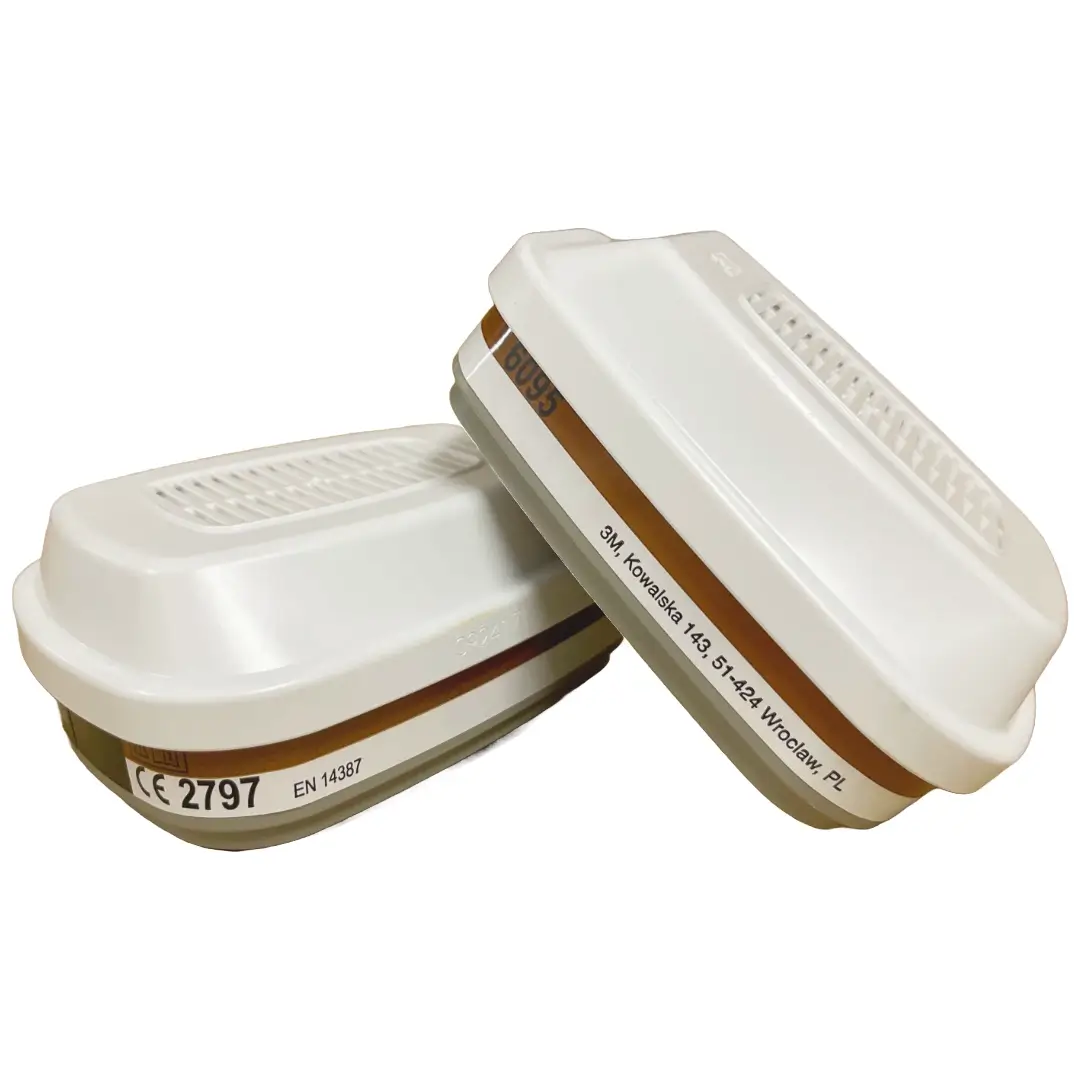
3M 6095 A2P3 R Gas, Vapour & Particulate Filters (1 Pair)
A combination option for users who need both organic vapour (A2) and high-efficiency particulate (P3) protection, useful for many paint, solvent, and dusty prep tasks.

Sundström SR 218 A2 Gas Filter
A dedicated A2 organic vapour filter for solvent-type hazards. Ideal when particulates are not the primary risk, or when paired appropriately within a compatible Sundström setup.

3M 5911 P1 R Particulate Filters (Box of 15 Pairs)
A bulk box of particulate prefilters, helpful where you want frequent, low-cost change-outs for lighter particulate tasks (always ensure P1 is suitable for your hazard).
8) If you only remember one rule
- For dust filters, change them when they feel harder to breathe through, or if they are dirty, wet, or damaged.
- For gas/vapour filters, change them using a planned schedule, because waiting for smell is not a reliable safety method.
If you tell us what you are doing (material, product name/SDS, duration, indoor/outdoor, and which respirator you have), we can help you narrow down the right filter class and a sensible replacement approach.


