

Choosing a respirator is not just about filtration class (FFP2, FFP3, N95), it is also about how well the mask seals to your face. One of the biggest factors affecting that seal is the strap style: headband straps (around the head) versus ear loops (around the ears).
This guide explains the practical differences, when each style makes sense, and how to choose for your job, your comfort, and your risk level.
📋 Key Takeaways
- A good seal matters as much as filtration, and headbands usually make it easier to achieve and maintain that seal.
- Ear loops can be comfortable and convenient, but they are more likely to loosen with movement, talking, and long wear, especially on smaller or larger faces.
- For workplace RPE and higher-risk tasks, headband respirators are typically the safer default, and are more commonly compatible with formal fit testing.
- If an ear-loop mask is the only option, use adjusters or an ear saver to improve tension and reduce leakage, and check fit carefully.
Why strap style affects protection
Respirators work by filtering air and by limiting unfiltered air leaking in around the edges. Even a high-filtration mask can underperform if it does not seal well.
Straps influence:
- Tension and stability (how firmly and consistently the mask is held against the face)
- Fit during movement (head turning, talking, bending)
- Comfort over time (pressure points, headaches, ear pain)
- Real-world leakage (especially around the cheeks and nose)
If you are wearing a respirator for workplace hazards (dusts, fumes, silica, wood dust, welding fume, healthcare exposure), follow your risk assessment and RPE programme. In many workplaces, you will need a fit test for tight-fitting respirators. Facial hair in the seal area can prevent a safe fit, regardless of strap type.
Headband straps: strengths and trade-offs
Headband respirators use two straps (typically crown and neck). This distributes tension around the head rather than pulling from the ears.
Benefits
- More stable seal during movement and speech
- More consistent strap tension, less prone to gradually loosening
- Often preferred for higher protection tasks and longer wear
- Typically easier to position correctly, especially with a good nose clip and chin panel
Typical downsides
- Slightly slower to don and doff than ear loops
- Can interfere with certain hairstyles, headwear, or some hearing protection setups if poorly fitted
- If overtightened, may cause pressure points at the back of the head
Ear loops: strengths and trade-offs
Ear-loop respirators can be quick to put on and may feel less “industrial”, which is why they are popular for commuting and short-duration use.
Benefits
- Fast to put on and remove
- Often feels more convenient for short wear periods
- Easier to combine with some headwear (caps, hoods), depending on the design
Typical downsides
- More likely to leak at the cheeks or under the eyes if tension is insufficient
- Ear loops can stretch over time, reducing seal
- Can cause ear pain for long shifts
- Fit can vary dramatically between people, especially if you have a smaller face, a larger face, or wear glasses
If you prefer ear-loop masks, you can often improve fit by using:
- Ear toggle adjusters to shorten loops and increase tension
- An ear saver (strap extender behind the head) to convert ear-loop tension into head tension and relieve the ears
These do not turn a poor-fitting mask into a perfect one, but they can reduce obvious leakage.
Mask Comparison
| Feature | Headband straps | Ear loops |
|---|---|---|
| Seal stability during movement | Usually better | Often less stable |
| Long-wear comfort | Good, pressure spread across head | Can cause ear pain |
| Speed of donning/doffing | Moderate | Fast |
| Consistent tension | Usually consistent | Can vary, may loosen |
| Suitability for higher-risk tasks | Common choice | Only if fit is proven and stable |
| Compatibility with fit testing (typical workplace practice) | Common | Less common, depends on model |
Which is “better” for respirators?
For higher-risk or regulated work: headbands are usually the safer choice
If you are using respiratory protection for occupational exposure control, headbands are typically preferred because they are more likely to maintain a reliable seal.
Common examples:
- Construction and demolition dust
- Woodworking and fine dusts
- Welding fume (note: many welding tasks may call for higher levels of protection, including powered options)
- Healthcare environments where fit-tested RPE is required
For lower-risk, short duration, convenience-led use: ear loops can be fine if fit is good
For commuting, short indoor errands, or situations where you need something you can quickly take on and off, ear loops can work well, provided you get a good fit and do regular checks.
How to check fit at home (quick user seal check)
You can do a basic check each time you put a respirator on:
- Position: Nose clip high on the bridge, mask under the chin.
- Mould the nose clip with both hands (not one finger).
- Seal check:
- Exhale gently and feel for air escaping around the nose and cheeks.
- Inhale and feel the mask pull in slightly, indicating air is going through the filter.
- Move and talk: Turn your head, look down, talk for 30 seconds. Re-check for leaks.
A user seal check is not the same as a formal fit test, but it helps catch obvious problems.
Product picks from The Face Mask Store UK
Below are three popular options that show the practical difference between strap styles.

Project 3 by Trident FFP3 Black Face Mask Respirator with Head Band Straps
A strong option if you want the added security of headband straps for a more stable seal, ideal for higher-risk dust exposure where a consistent fit matters.
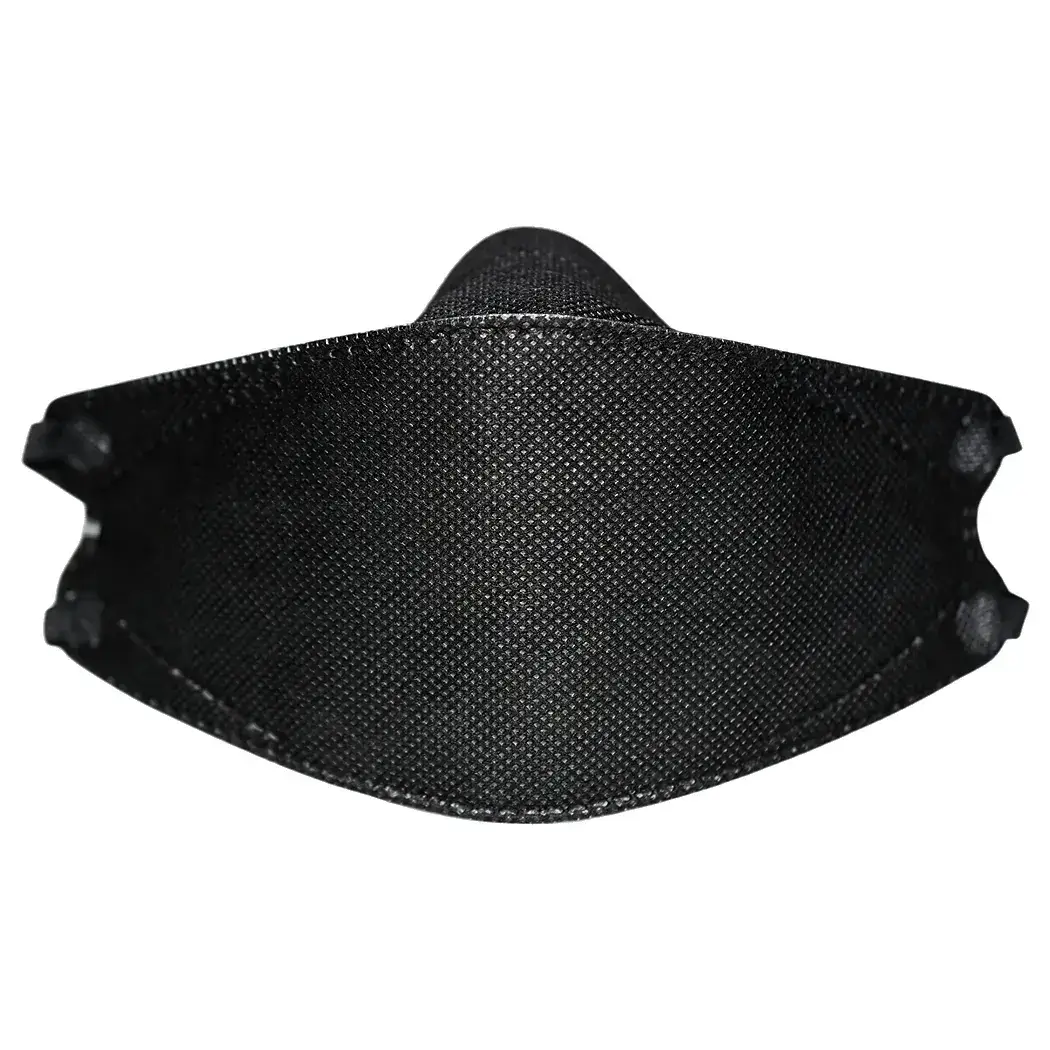
Laianzhi T99+ Black Particulate Respirator Mask – Ear Loop
A convenient ear-loop style respirator for users who prioritise quick on and off. For best performance, focus on getting a snug fit and consider adjusters if you notice gaps.

3M Aura 9320D+ Unvalved FFP2 Disposable Respirator
A well-known headband FFP2 respirator with a design that suits many face shapes. A good everyday choice when you want a secure seal for DIY, trade work, or regular wear.
Bottom line
- If you want the most dependable real-world performance, especially for work tasks, choose a headband respirator and prioritise fit.
- If you need convenience and comfort for short periods, an ear-loop respirator can work, but you should be more critical about fit and stability, and consider simple tension aids.


